Watercolor Rainforest Animal Clipart & Illustrations
I recently opened a new file for a boutique children's book publisher looking to refresh their brand identity. The brief was specific: they needed something organic, whimsical, and deeply textured to move away from the sterile vector look dominating their current catalog. That is when I pulled up the Watercolor Rainforest Animal Clipart pack to see if it could handle the weight of a real commercial project. As a designer who has navigated thousands of assets on various creative marketplaces, my first step is always to judge the mood before checking the technical specs. The moment these files loaded, the visual language was clear. This is not a flat, corporate graphic design asset; it breathes. The washes of green, the soft bleed of color, and the delicate brushstrokes immediately evoke a sense of wonder and nature that fits perfectly with eco-friendly branding or handmade business concepts.
The First Impression: Mood and Visual Texture
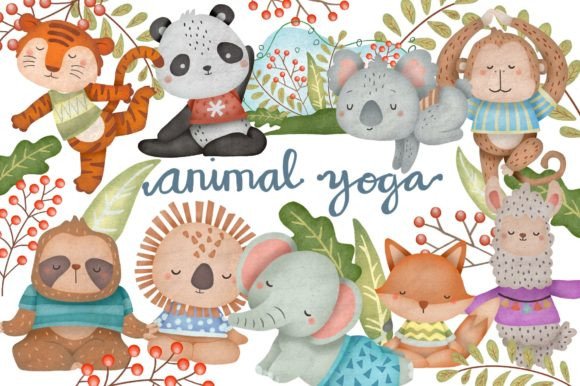
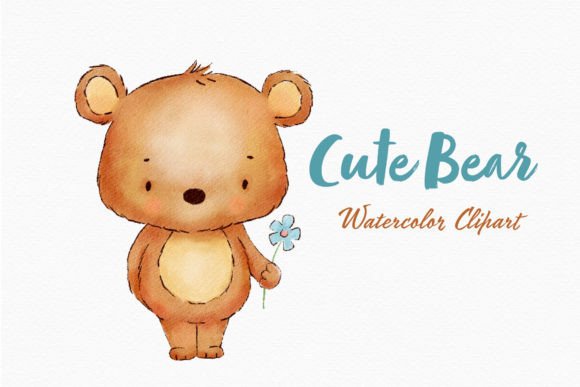
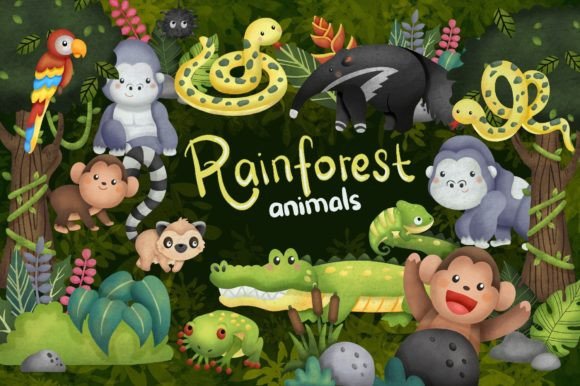
When reviewing Illustrations for client work, the emotional resonance is paramount. This collection captures the chaotic beauty of the rainforest without feeling cluttered. The animals—jaguars, toucans, sloths, and monkeys—are rendered with a painterly touch that suggests movement and life. For a project like the children's book series, this style creates an immediate connection with the audience. It feels tactile, almost like you can feel the paper grain. In the world of digital product creation, where everything can feel cold and screen-based, introducing watercolor textures adds a layer of warmth and authenticity. This makes the Watercolor Rainforest Animal Clipart an excellent candidate for small business branding, particularly for those targeting parents, educators, or nature enthusiasts.
Performance in Real-World Design Scenarios
My next step was to drag these assets into a few mock layouts to test their versatility. I started with packaging design. Imagine a line of organic baby lotions or eco-friendly crayons. Placing a large, vibrant toucan on a matte white label instantly elevates the perceived value of the product. The soft edges of the watercolor blend beautifully with kraft paper textures, creating a cohesive look that screams "handmade" and "natural." I also tested these as hero graphics for a website landing page. When used as a background element with low opacity, the jungle foliage provides depth without overwhelming the typography. This is crucial for web design where visual hierarchy must remain intact.
For social media graphics, the potential is even broader. I sketched out a Pinterest pin concept for a parenting blog. Using a close-up of the monkey illustration alongside a bold sans serif font created a striking contrast that would likely drive high engagement. The colors are rich enough to pop on Instagram feeds but soft enough not to clash with other brand elements. Furthermore, for print-on-demand sellers, these images translate well onto t-shirt designs and tote bags. The organic shapes work wonderfully for sublimation designs, ensuring the final printed product looks artistic rather than like a cheap transfer.
Where the Asset Shines Brightest
- Large Layout Areas: These illustrations command attention as full-page features in editorial design or as the central focal point on a poster.
- Product Mockups: They add instant polish to packaging concepts, making a simple bottle or box look like a premium item.
- Decorative Accents: Smaller elements, like leaves or animal silhouettes, work perfectly as corner ornaments on invitations or flyers.
- Themed Collections: Ideal for building a cohesive design bundle for seasonal campaigns or educational materials.
- Cricut Projects: If the SVG design format is available, these cut files are perfect for layered sticker designs and vinyl decals.
Navigating Limitations and Design Challenges
However, professional judgment requires knowing where an asset might fail. While the Watercolor Rainforest Animal Clipart is stunning, it is not a universal solution. I strongly advise against using these in minimalist branding projects that rely on stark geometry and thin lines. The texture of the watercolor can get lost or appear muddy if placed on a busy, complex background. Additionally, readability can suffer if you attempt to place text directly over the detailed fur or feather patterns of the larger animals. Always ensure there is sufficient negative space or use a solid overlay to maintain legibility.
Another critical area to watch is scale. While these look great large, shrinking them down for a favicon or a tiny icon can result in pixelation, especially if you are working with PNG designs rather than vectors. If the project requires extreme scaling, you must verify the resolution and consider whether an SVG version is included to preserve crispness at any size. Also, be cautious with corporate materials. A law firm or a tech startup generally needs clean, sharp visuals; the whimsical nature of these illustrations would undermine the professional trust required in those sectors.
Practical Designer Notes for Commercial Use
Before committing to a client project, I always run a rigorous checklist. First, I test the asset in black and white. Does the watercolor texture still provide enough definition? Sometimes, the charm of the color is what holds the image together, and removing it reveals weak line work. Second, I check the contrast on both light and dark backgrounds. The transparency of the PNG files is usually good, but edge artifacts can sometimes show up on dark surfaces. Third, I preview the files at actual print size. What looks fine on a monitor might reveal banding or dithering issues when printed on a 12x18 poster.
Typography pairing is another key consideration. These illustrations pair beautifully with script fonts and handwritten fonts to enhance the organic feel. However, they also create a compelling modern design aesthetic when juxtaposed with a bold, geometric display font. This contrast between the fluid art and rigid type can make a magazine cover or a Canva template stand out. Finally, and most importantly, always confirm the commercial license. Whether you are selling an Etsy product, launching a print-on-demand store, or designing marketing visuals for a third party, you need the rights to use these assets commercially. Never assume a free download includes a commercial license.
Final Verdict for Your Creative Toolkit
In conclusion, the Watercolor Rainforest Animal Clipart is a robust addition to any designer's library, provided it is used with intention. It excels in projects requiring warmth, texture, and a connection to nature. From crafting unique brand identities for small businesses to creating engaging social media posts and printable wall art, its versatility is impressive. Just remember to respect its limitations regarding scale and complexity. By testing thoroughly and understanding the context, you can leverage these illustrations to create polished, professional, and emotionally resonant designs that truly serve your clients and your own creative vision.