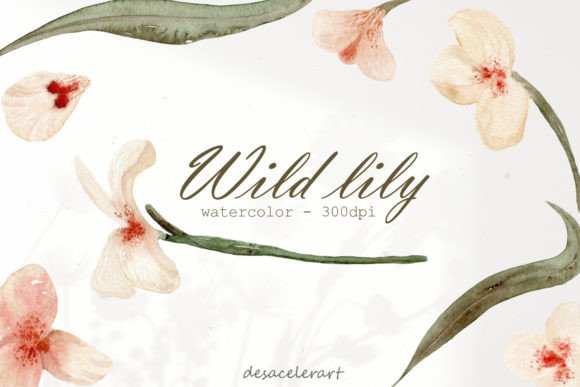
Watercolor Wild Lily Illustrations Review
As a digital publisher who has spent years curating visual assets for high-traffic blogs and affiliate sites, I know that the difference between a click and a bounce often comes down to a single image. When I first opened the file for Watercolor Wild Lily - Flowers Clip Art, my immediate reaction was one of relief. In an era of stock photography that feels overly staged or generic vector art that looks sterile, this graphic design asset brings a breath of organic life to the screen. It is not just a picture; it is a mood setter. The soft washes of color and the delicate brushstrokes immediately signal a specific editorial tone: thoughtful, natural, and aesthetically pleasing.
This piece fits perfectly into the "lifestyle" and "wellness" content niches, but its versatility extends far beyond. Whether you are running a small business branding campaign, creating a digital guide for online educators, or designing lead magnets for newsletter creators, the visual language here speaks of authenticity. It avoids the harsh edges of modern corporate design in favor of something warmer and more inviting. For publishers, this is crucial because reader trust is built on perception. If your visuals look rushed or cheap, your content suffers by association. Watercolor Wild Lily - Flowers Clip Art elevates the perceived value of your page instantly.
Bringing Editorial Polish to Real Publishing Workflows
I recently tested this asset across several real-world publishing scenarios to see how it holds up under pressure. The first test was as a featured image for a blog post about seasonal gardening tips. Placed against a clean white background with a bold serif headline, the lily provided a stunning focal point without competing for attention. The visual hierarchy was clear: the eye lands on the flower, then moves to the text. This is exactly what we want for better click-through potential on category pages and search engine results.
Next, I moved to social media graphics. For Pinterest pins, which rely heavily on vertical imagery and emotional resonance, this illustration shined. I layered it over a soft pastel gradient and added a call-to-action button. The result felt like a premium digital product rather than a quick DIY graphic. It works equally well as a website header for a boutique floral shop or as an accent in a Canva template for a wedding planner's portfolio. The fluidity of the watercolor style allows it to blend seamlessly with various layout styles, from minimalist web design to more ornate editorial designs.
For content creators focusing on downloadable resources, such as printable designs or digital guides, this asset adds a layer of sophistication. Imagine using it on the cover of an eBook about mindfulness or as a decorative element in a worksheet for a creative entrepreneur course. It transforms a standard PDF into a desirable digital download. Even in affiliate marketing, where visuals need to be attractive but not distracting, this clip art serves as a perfect companion to product photos, adding a touch of artistic flair that humanizes the sales pitch.
Strategic Applications for Brand Identity
The true power of Watercolor Wild Lily - Flowers Clip Art lies in its ability to support a consistent brand identity. In the crowded space of content marketing, having a recognizable visual style is key. By incorporating this illustration into your newsletter headers, social media previews, and even your media kit, you create a cohesive thread that ties all your communication channels together. It signals to your audience that you care about the details.
Here are some specific use cases where this asset excels:
- Hero Images: Use it as the primary visual for landing pages dedicated to nature, wellness, or home decor topics.
- Pinterest Pins: Create vertical graphics that stop the scroll with their artistic charm.
- Blog Graphics: Break up long-form text with inline illustrations to improve readability and engagement.
- Lead Magnets: Enhance the cover of free checklists or cheat sheets to increase conversion rates.
- Category Thumbnails: Give your blog categories a distinct visual identity that helps users navigate your site faster.
- Digital Ads: Stand out in ad feeds with a creative design that feels less like an advertisement and more like content.
When used correctly, these elements contribute to a stronger visual identity. They tell your readers that your content is curated and professional. For small business owners trying to compete with larger brands, investing in high-quality design assets like this is a low-cost way to achieve a high-end look.
Where Caution Is Required
While I am a huge fan of this asset, every designer knows that context is king. There are situations where Watercolor Wild Lily - Flowers Clip Art should be used carefully. Because of its organic, flowing nature, it may get lost in very busy layouts or on websites that demand a strictly minimal, grid-based visual system. If your niche is serious corporate finance or heavy industrial tech, the feminine and playful vibe of a wild lily might clash with your brand voice.
Furthermore, consider the scale. On small mobile thumbnails, intricate watercolor details can sometimes blur or become indistinct. You must test how it looks on different screen sizes. If you are placing text directly over the flower, ensure there is enough contrast. A light pink petal behind white text will fail the readability test. Always preview it inside a real blog layout before committing. Try pairing it with different font styles—serif, sans serif, script, handwritten, and display fonts—to see which combination creates the most harmonious look. Sometimes, placing the image beside the text yields better results than overlaying it.
Technical Notes for Publishers
From a technical standpoint, this graphic design asset is ready for web deployment, but you still need to follow best practices. Check the file size to ensure it doesn't slow down your page load speed. Compress images properly using tools that maintain quality while reducing weight. Before you use this on monetized websites, affiliate pages, or paid content products, confirm the commercial licensing. Most assets from a reputable creative marketplace include a commercial license, but always double-check the terms to avoid legal headaches later.
Finally, think about accessibility. While the colors are beautiful, ensure they meet contrast standards for readability. If you plan to use this in black and white print materials, preview it in grayscale to make sure the tonal values hold up. A strong design asset is one that adapts to various mediums without losing its impact.
In conclusion, Watercolor Wild Lily - Flowers Clip Art is a versatile tool for any digital publisher looking to elevate their visual game. It bridges the gap between amateur and professional presentation, offering a polished look that builds reader trust and encourages engagement. Whether you are crafting a simple blog post or a complex digital product suite, this illustration provides the artistic edge needed to stand out in a saturated market. It is a reminder that in the world of content, beauty is not just a bonus—it is a functional necessity.