Flower Watercolor Art: A Designer's Review
As a designer who has spent years translating digital art into tangible thread, I approach every new machine embroidery design with a mix of excitement and skepticism. The market is flooded with generic patterns, so finding a piece that truly captures a mood while remaining practical for production is rare. Recently, I evaluated Flower Watercolor Art, an asset categorized under Illustrations, to see if it holds up under the scrutiny of real-world application. This isn't just about how it looks on a screen; it is about how it behaves when stitched onto fabric, how it ages after washing, and whether it can elevate a handmade product from "nice" to "premium."
The First Impression: Capturing the Softness of Ink
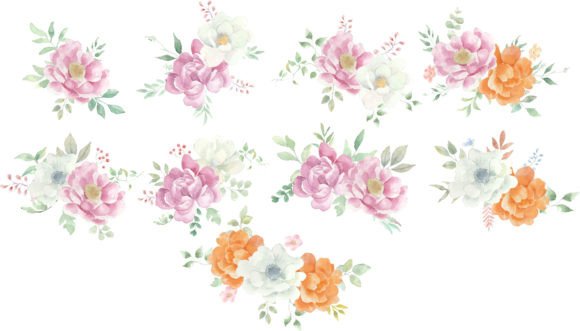
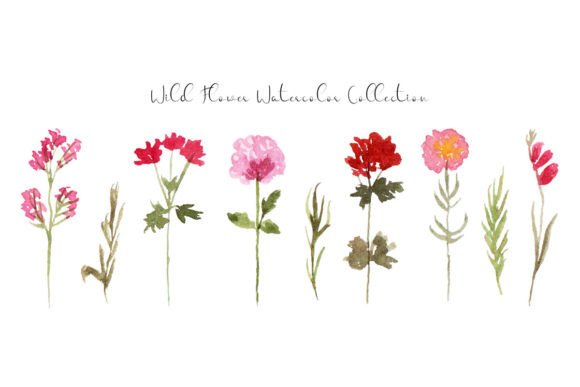
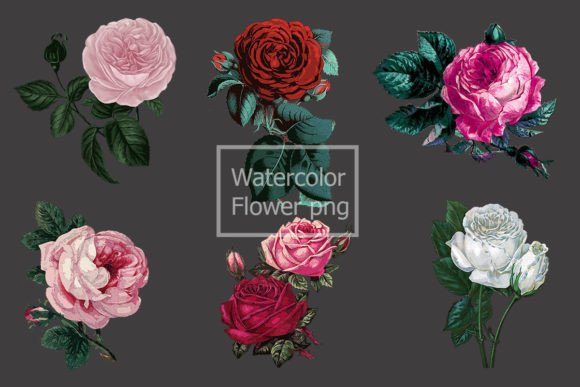
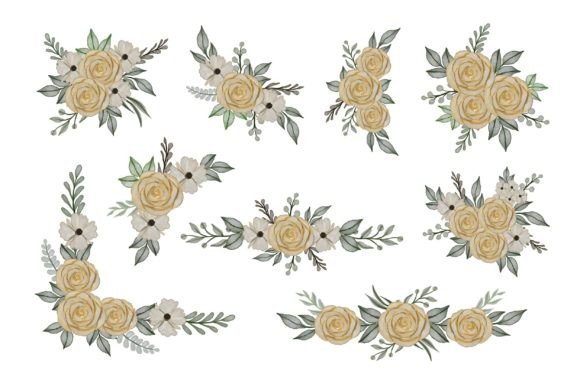
When I first opened the preview of Flower Watercolor Art, the immediate feeling was one of delicate elegance. Unlike bold, graphic floral designs that rely on heavy outlines and solid blocks of color, this design mimics the fluidity of watercolor paint. The shapes are organic, the edges appear slightly diffused, and the overall composition feels airy. For a craft business owner or an Etsy seller looking to create a boutique brand identity, this visual personality is powerful. It suggests femininity, nature, and a handcrafted aesthetic without shouting for attention.
However, as a professional reviewer, my mind immediately shifts to translation. How do we replicate the soft bleed of watercolor using rigid thread? The design relies heavily on the interplay of fill stitch and subtle running stitch details to create texture. If executed poorly, this could look muddy or pixelated. But in the right hands, with careful thread selection, Flower Watercolor Art offers a sophisticated alternative to standard floral motifs.
A Real-World Scenario: The Custom Tote Bag Project
To truly test the viability of this embroidery file, I imagined a specific project: a high-end, canvas tote bag intended for a local botanical shop. The goal is to sell these as premium reusable bags that customers will want to carry everywhere. I visualized placing Flower Watercolor Art on the lower right corner of a natural, unbleached canvas tote. The earthy tone of the fabric would complement the soft hues typically found in watercolor florals.
In this scenario, the design works beautifully because the scale allows the intricate details to breathe. The stitch density appears balanced enough to prevent puckering on a sturdy material like canvas, which is crucial for a product that will be filled with groceries. If I were selling this as a finished product, the visual appeal would likely drive customer trust. It signals that the maker cares about aesthetics and quality, moving beyond simple logo placement to true artistic expression. This kind of detail transforms a basic utility item into a desirable lifestyle accessory.
Navigating Fabric Challenges and Technical Limits
While Flower Watercolor Art shines on stable fabrics, there are scenarios where caution is required. As an experienced decorator, I know that not all textiles play nice with detailed illustrations. If you attempt to use this design on thin jersey knit for a t-shirt, the hoop size and tension become critical factors. Without the correct stabilizer, the delicate lines could distort, ruining the watercolor illusion.
I would also advise against using this specific design on highly textured fabrics like thick wool blankets or rough burlap unless you are willing to adjust the settings significantly. The texture of the fabric might interfere with the fine details, making the soft gradients look uneven. Similarly, for dark fabrics, the design requires careful consideration of thread colors. A white backing might be necessary to make the pastel tones pop, but adding a backing layer adds bulk. If you are creating custom apparel for a client, always test the design on a scrap piece of the actual fabric first.
Another area of concern is curved surfaces. While a flat tote bag is ideal, attempting to embroider Flower Watercolor Art on a baseball cap requires precision. The curve of the cap panel can stretch the design, potentially warping the organic shapes of the flowers. If you must use it on a cap, ensure the embroidery project is digitized specifically for that curvature or accept that some distortion may occur.
Practical Notes for Designers and Makers
For those considering Flower Watercolor Art for their craft business, here are my essential technical notes:
- Test Stitch Density: Before running a full batch, stitch out a sample to check if the fill areas are too dense. High density can cause fabric puckering, especially on lightweight items like baby clothes or tea towels.
- Color Contrast is Key: Because the design mimics watercolor, low contrast between thread and fabric can make details disappear. Always compare light and dark fabric backgrounds to ensure visibility.
- Licensing Check: Before listing your items on Etsy or other platforms, confirm the licensing terms. Ensure you are allowed to sell finished products made with this digital embroidery file.
- Mockup Verification: Create printable mockups in black and white to verify that the silhouette holds up even without color. This helps identify any potential issues with small details.
- Stabilizer Selection: Use a tear-away stabilizer for wovens like pillow covers and a cut-away for knits like sweatshirts to maintain the integrity of the design during wear and wash.
Enhancing Product Value and Brand Consistency
Using a design like Flower Watercolor Art can significantly impact the perceived value of your goods. In a crowded marketplace, a unique, well-executed illustration sets your small shop product apart from competitors using clip-art style graphics. It elevates the handmade presentation and suggests a higher level of craftsmanship.
This design is particularly effective for personalized gifts such as wedding favors, nursery decor, or holiday ornaments. The soft aesthetic appeals to buyers looking for sentimental, gentle touches. Whether you are creating an embroidered patch for a jacket or decorating a kitchen towel, the versatility of the floral theme ensures broad appeal. However, remember that consistency is vital. If your brand is edgy and industrial, this soft watercolor style might clash. Ensure the design aligns with your overall brand voice before committing to a large production run.
Final Thoughts on Commercial Viability
In conclusion, Flower Watercolor Art is a strong contender for designers seeking to add artistic flair to their portfolio. It excels on stable fabrics like canvas, linen, and cotton blends, making it perfect for tote bags, aprons, and home decor. While it requires careful handling on stretchy or textured materials, the potential payoff in terms of customer engagement and product aesthetics is high.
As you prepare to use this commercial embroidery asset, take the time to test, stabilize, and plan. By doing so, you ensure that the final result matches the beauty of the original illustration. For the savvy Etsy seller or creative entrepreneur, mastering these nuances is what turns a simple embroidery design into a profitable, beloved staple of your collection. Whether for personal use or a growing design assets library, Flower Watercolor Art offers a refreshing blend of artistry and function.